by
Artists: Jichi Zhang
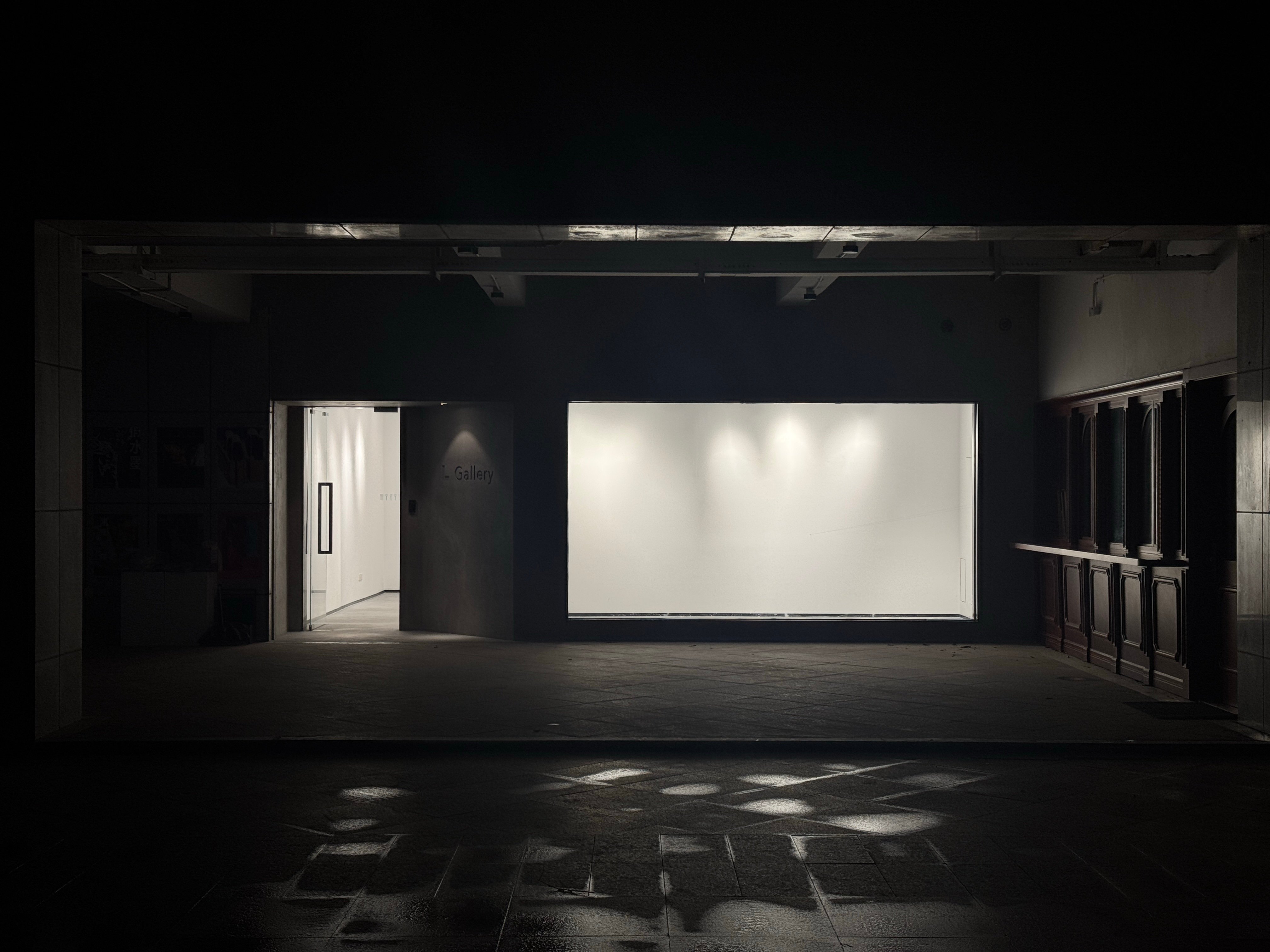
2026-09-04 – 2026-09-18 · Hangzhou · L Gallery
by — solo exhibition by Jichi Zhang at L Gallery, Hangzhou, 4 Sep – 18 Sep 2026.
This is not an exit.
L Gallery is pleased to present by, a new solo exhibition by Jichi Zhang, conceived as both a continuation and a recalibration of his previous exhibitions, am and if.
by, emerges after that collapse. If meaning cannot be relied upon to complete itself, what still operates? Not what the work is, and not what it means, but by what means it continues to hold.
by is a preposition: a minor grammatical device that binds action to method, effect to procedure, continuation to means. Zhang treats this term not as a linguistic curiosity but as a structural condition. In this exhibition, by names the smallest procedures through which a surface is kept intact, a gap remains manageable, and exposure is delayed without ever being fully repaired. The exhibition turns toward maintenance, but not as a virtue. It approaches maintenance as a contested relation: one that distributes visibility, prolongs function, and often conceals the terms of its own authority.
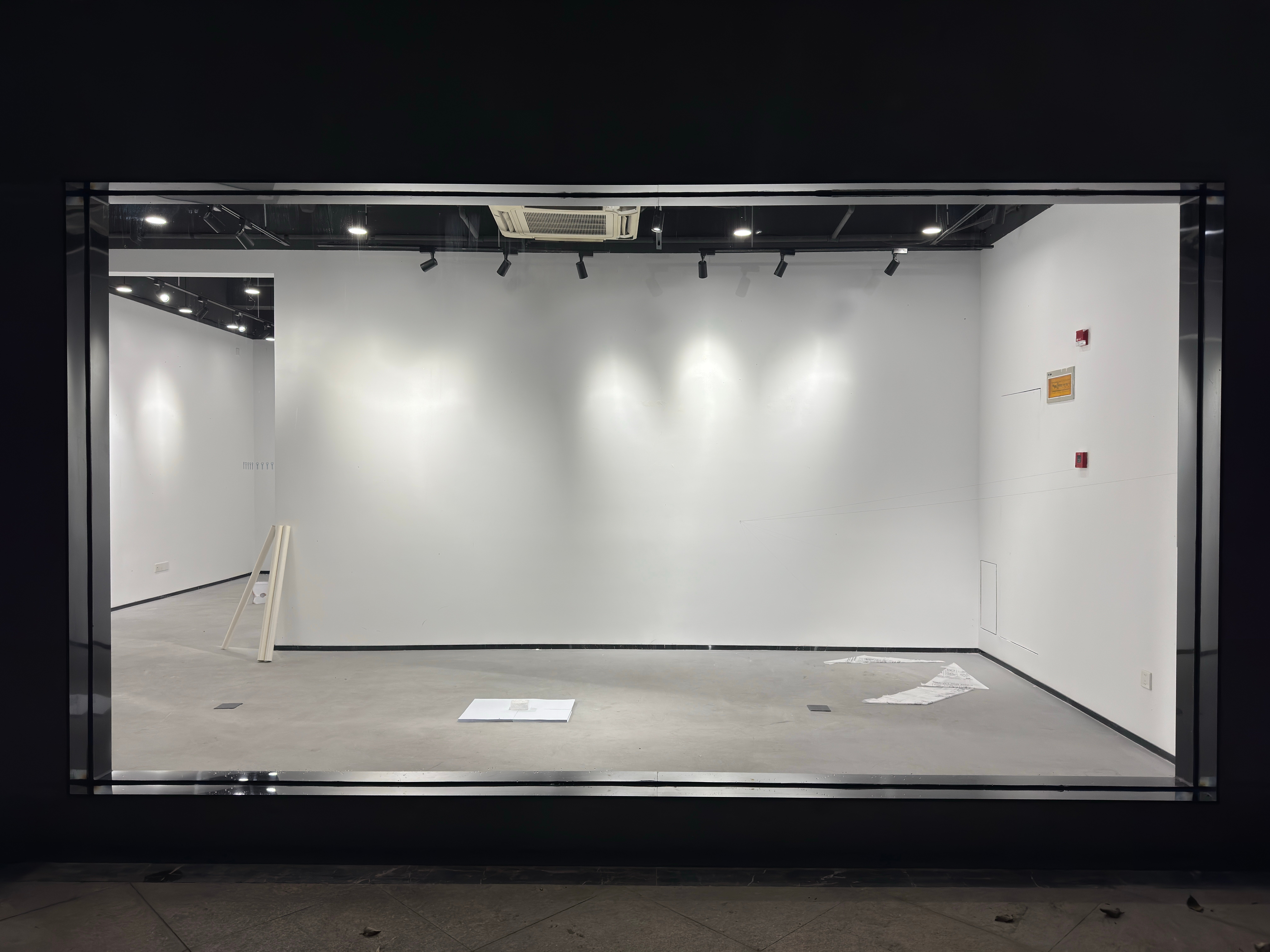
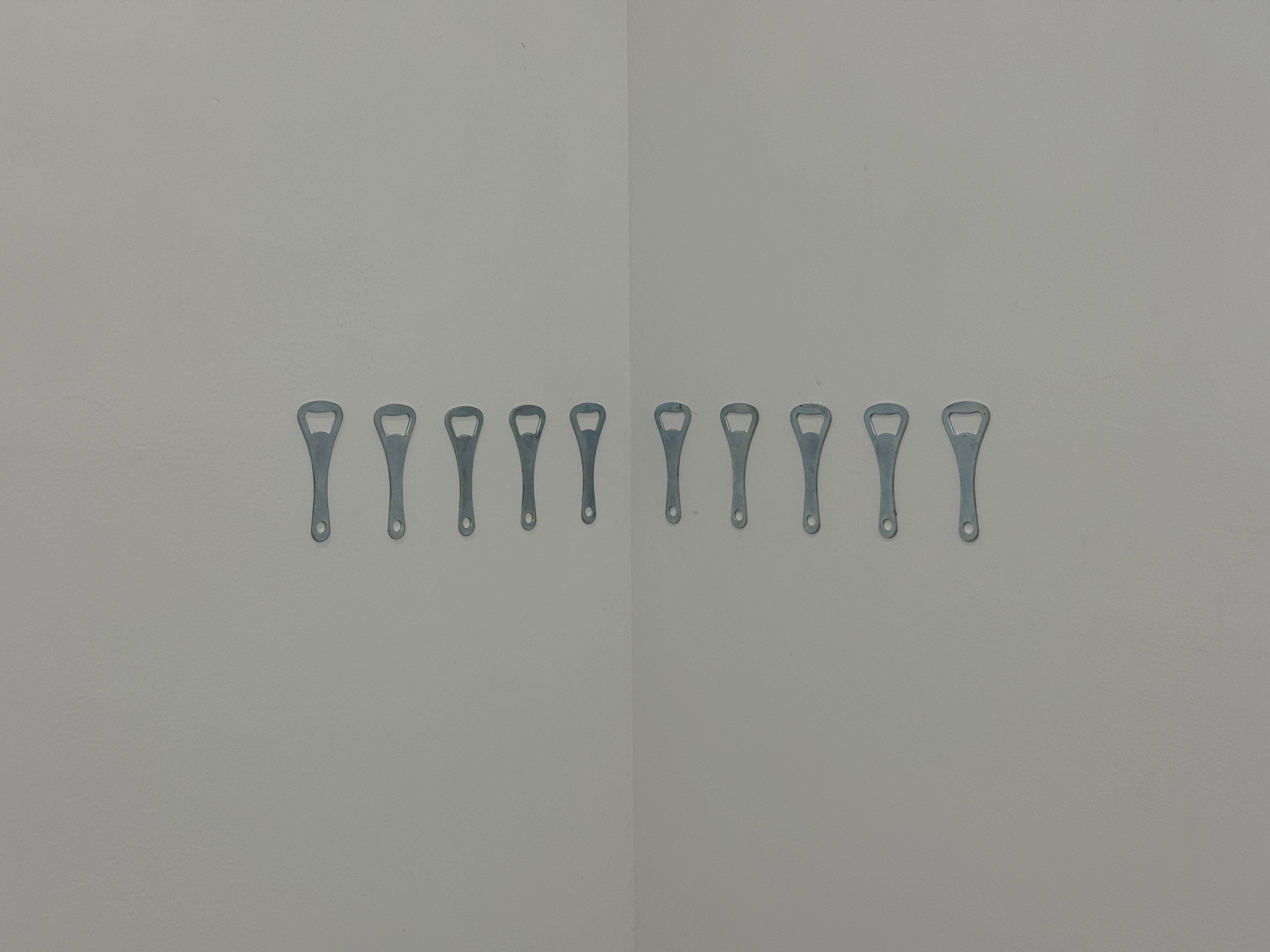
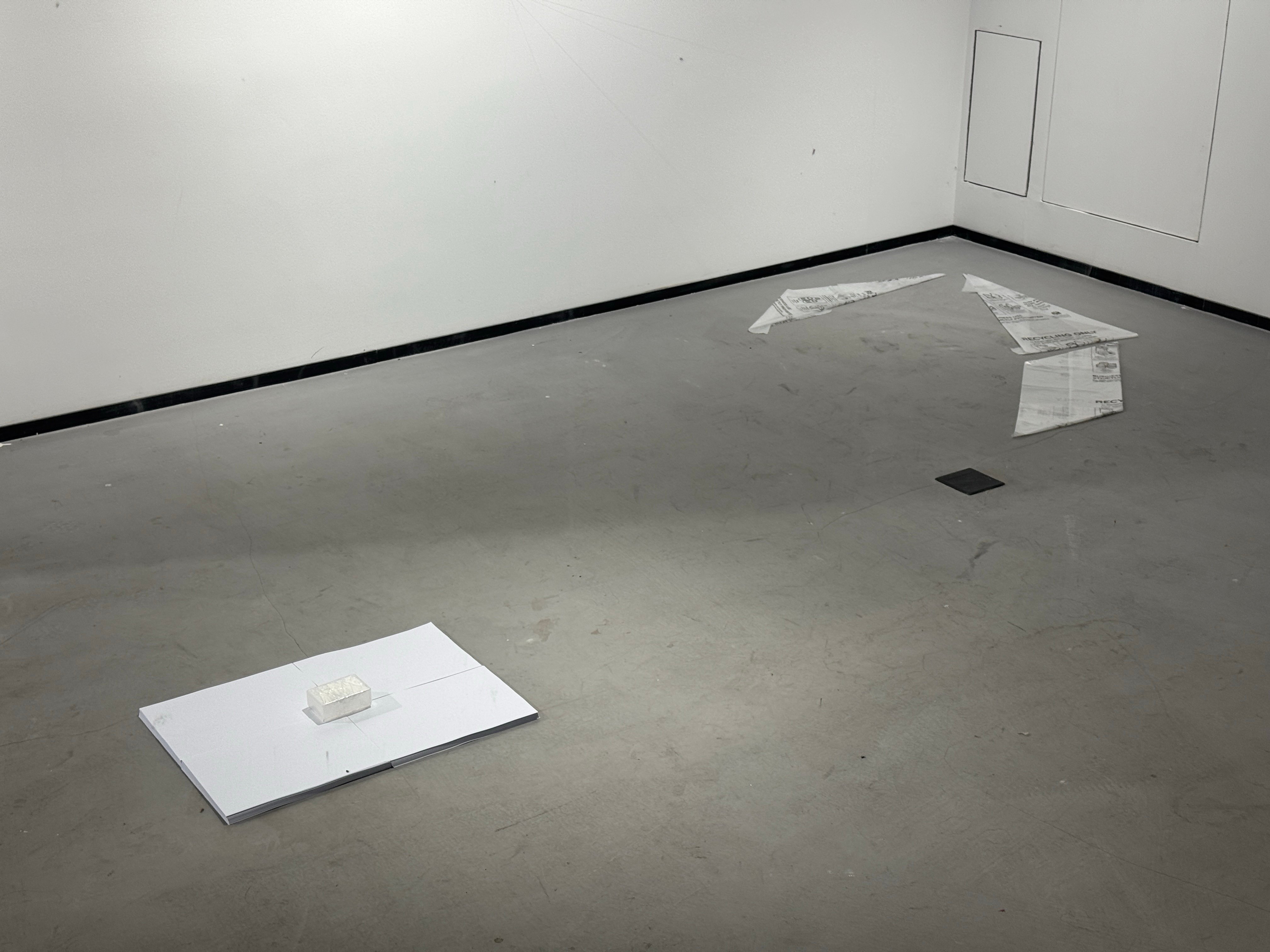
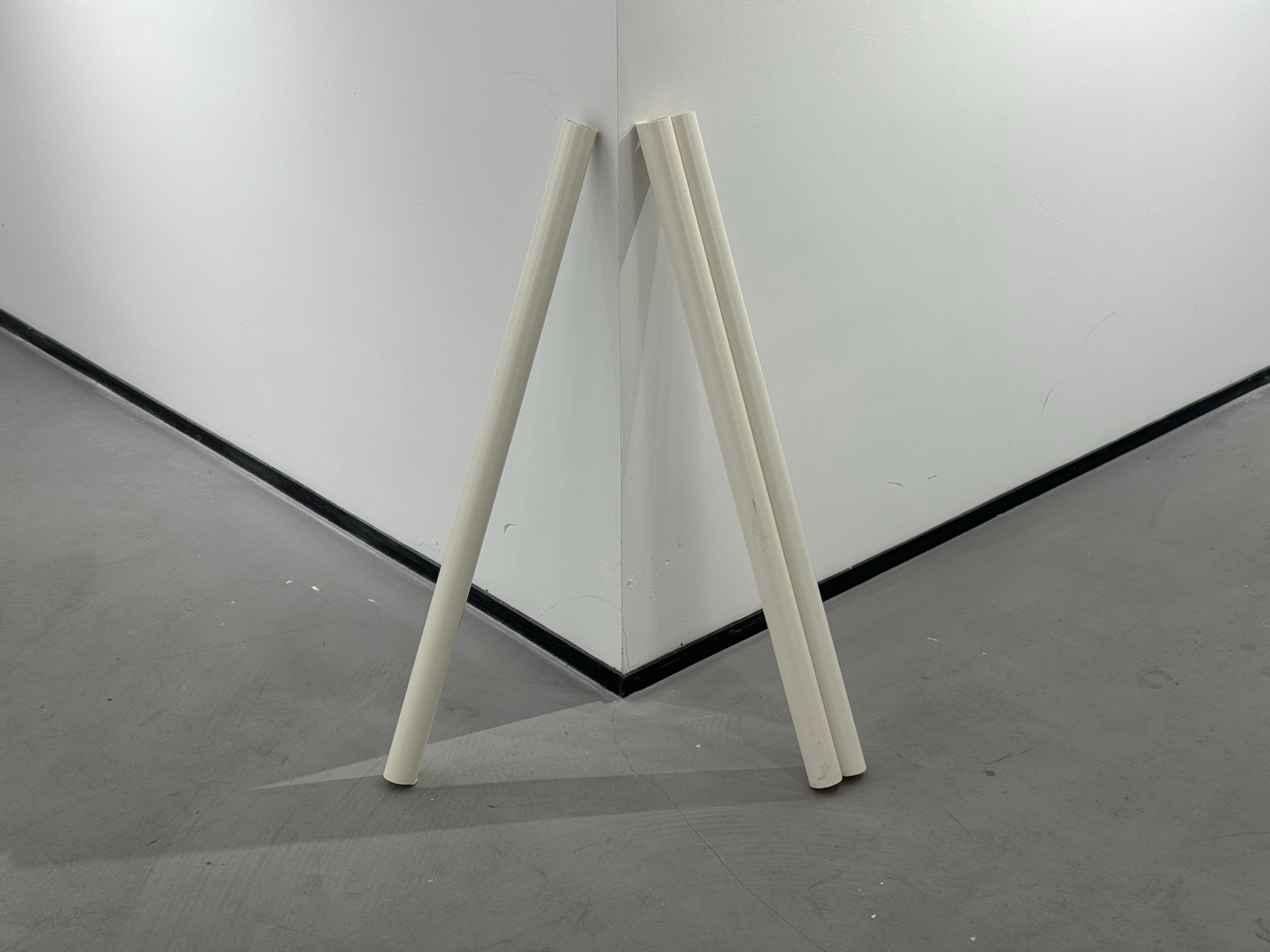
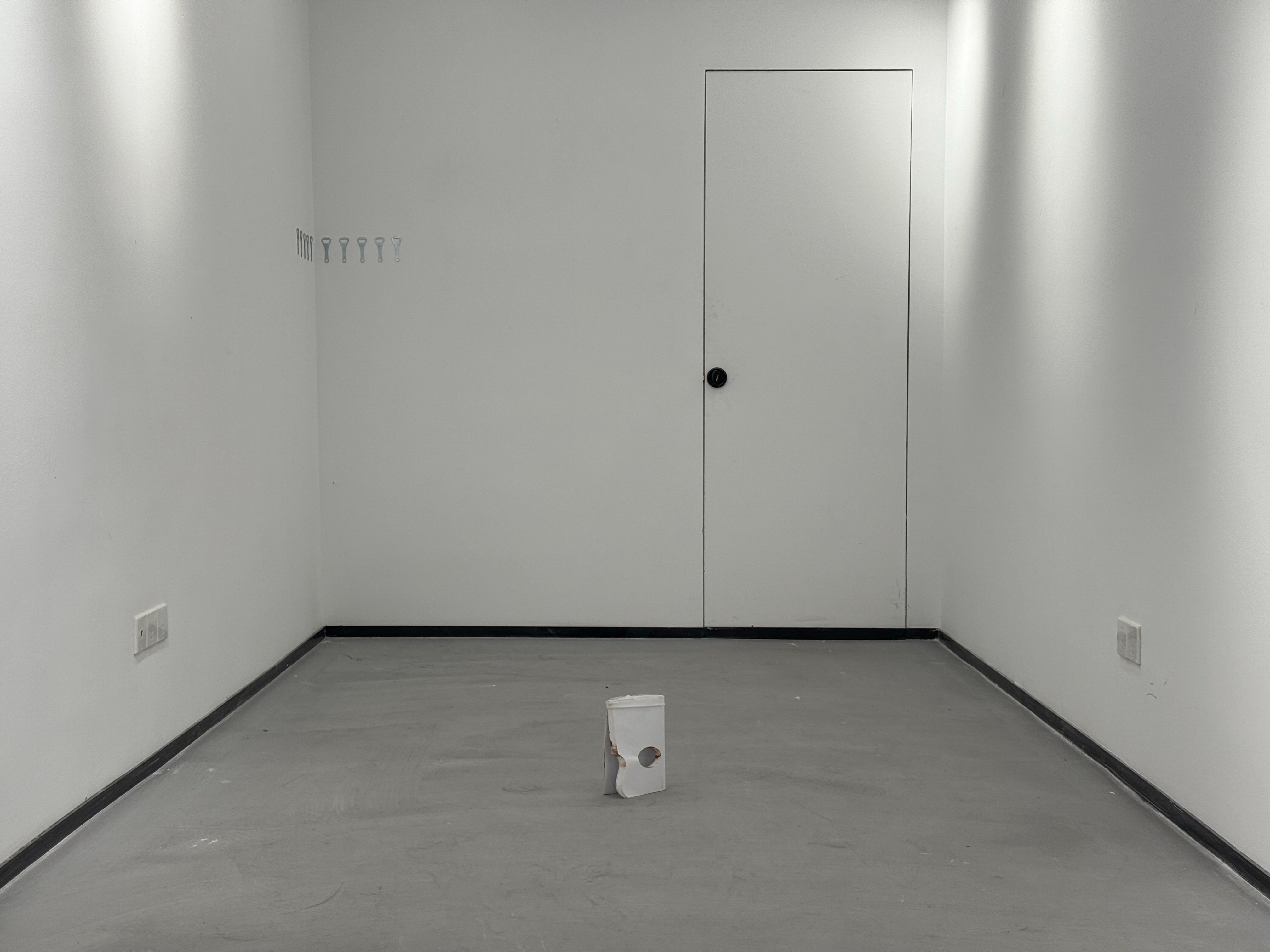
The works begin with a set of familiar but rarely examined operations drawn from building care, logistics, and everyday repair: filling, sealing, patching, taping, wrapping, labelling, and covering. These are gestures that usually remain in the background of the world, low-status acts that keep other things legible. Zhang isolates them and refuses their usual narrative of success. Here, maintenance does not appear as a neutral technical good, nor as a quietly noble form of care. It becomes visible as a structure that stabilises some things while postponing the consequences of instability elsewhere.
Care is not completion. The tape wrinkles, lifts, traps air, attracts dust, and leaves residue. The filler compresses, migrates, leaks, gathers, and settles unevenly. What should behave as closure behaves instead as evidence. Protection does not appear here as a solved problem, but as an unstable interface: a contact zone where adhesion is always close to failure, and where failure rarely arrives as spectacle. Instead, it emerges as a gradual loss of authority.
This emphasis on the interface is central to the exhibition. Zhang is less interested in the finished object than in the point where one material meets another, where a seam is made visible as a seam, where transparency stops appearing neutral and begins to look suspicious.
If am held becoming, and if held refusal, then by turns toward responsibility—but without any promise of redemption. It asks what it means to continue without stabilising, to protect without assuming protection is innocent, to maintain something while knowing maintenance may also prolong the very structure under question.
Zhang’s recent work has moved away from a broad anti-institutional posture toward a more precise inquiry into how structures actually operate: how they are upheld, by whom, at what cost, and through what small repeatable acts. In this sense, the exhibition is not about maintenance as a theme, but about maintenance as a mode of power. What is being protected? Who benefits from the continuation of this structure? What is being allowed to decay under the appearance of care? And what remains unexamined precisely because it looks like maintenance rather than control?
The works are also shaped by a condition of provisionality that runs through Zhang’s recent practice more broadly. Questions of mobility, temporary occupation, conditional access, and unstable belonging inform the exhibition’s sense that nothing here is fully secured. Surfaces are held rather than resolved; conditions are sustained rather than completed. This does not produce a dramaticrhetoric of precarity. Instead, it produces a low-energy discipline: a way of working with the least force necessary to keep something in circulation. The exhibition does not seek heroism. It seeks the minimum intervention required to prevent collapse for one more moment.
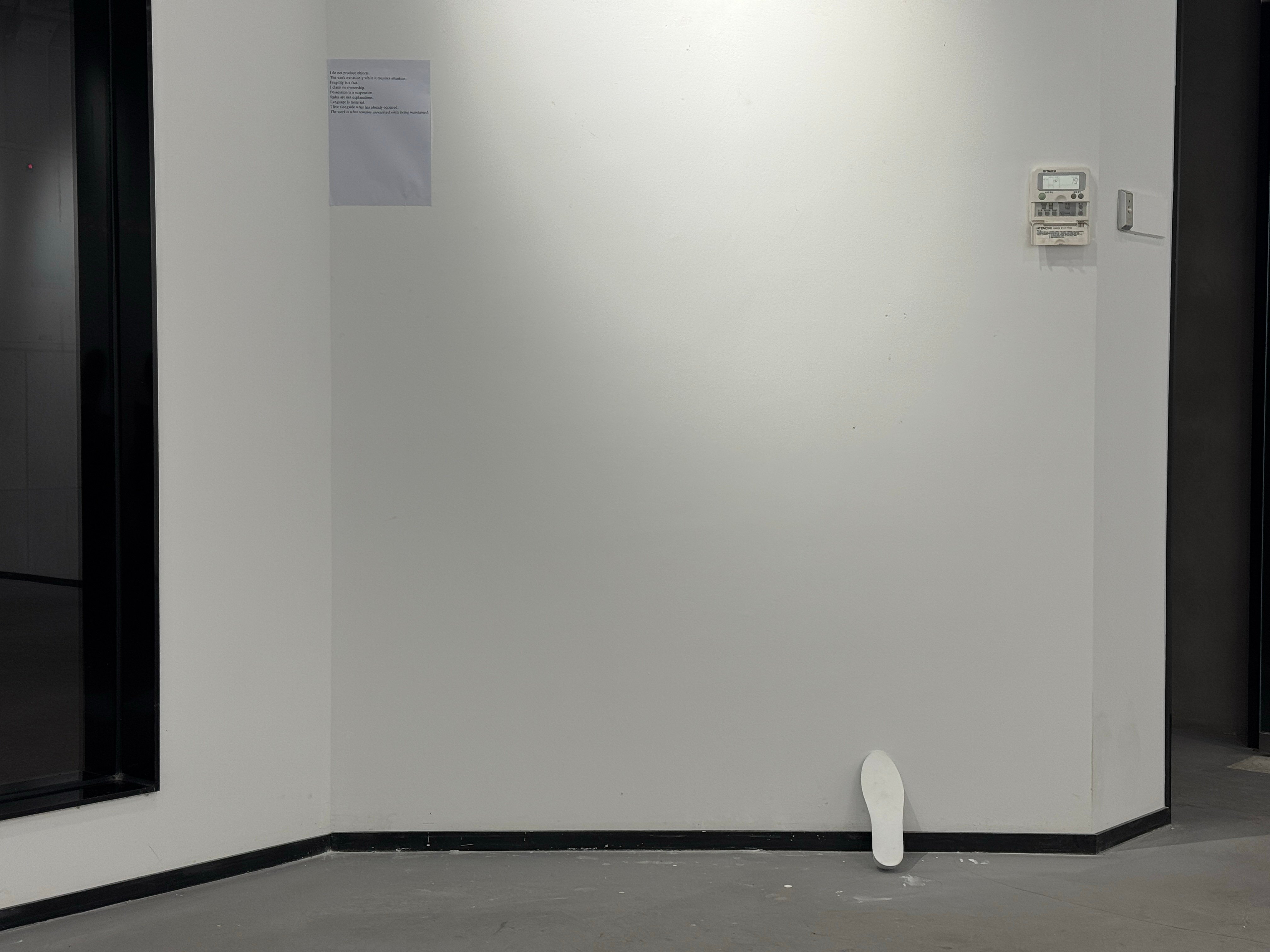
This logic extends into language. by includes a library of printed protocols, documents, instructions, scores, and operational texts presented on paper. These do not function as explanatory captions and are not there to stabilise interpretation. They belong to the same material field as the sculptural works. A protocol matters here not because it delivers clarity, but because it is executed until its clarity begins to loosen: until contradiction surfaces, authority weakens, and language itself shows fatigue. In this sense, the exhibition does not restore the sentence that if shattered. It replaces a sentence with a procedure. It does not claim meaning; it claims method. And the method, in Zhang’s work, is never clean. It accumulates residue. It leaves edges. It keeps a record of its own insufficiency.
The position of the viewer is therefore also recalibrated. The viewer is not asked to decode a hidden message or complete an allegory. Nor are they placed outside the work as a neutral observer. Instead, they are positioned as a variable within a visible but unstable system. Distance, access, obstruction, exposure, and minor acts of navigation become part of the work’s logic. The exhibition asks not simply what the viewer sees, but what the viewer sustains by participating.
This is not an exit.