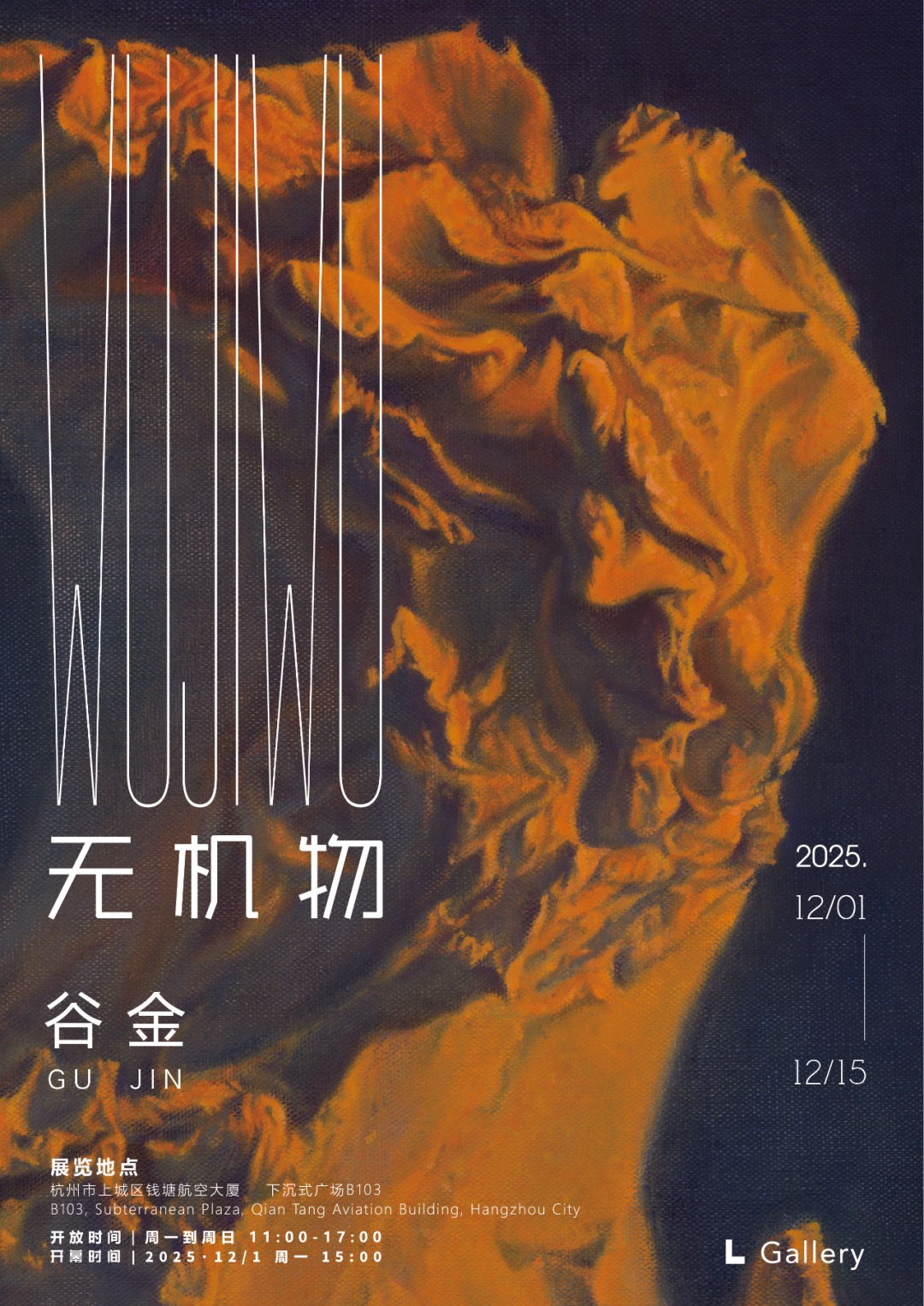
谷金:无机物 JIN GU: Inorganic Substances
艺术家 Artists: 谷金 JIN GU
2025-12-01 – 2025-12-15 · 杭州 Hangzhou · L Gallery
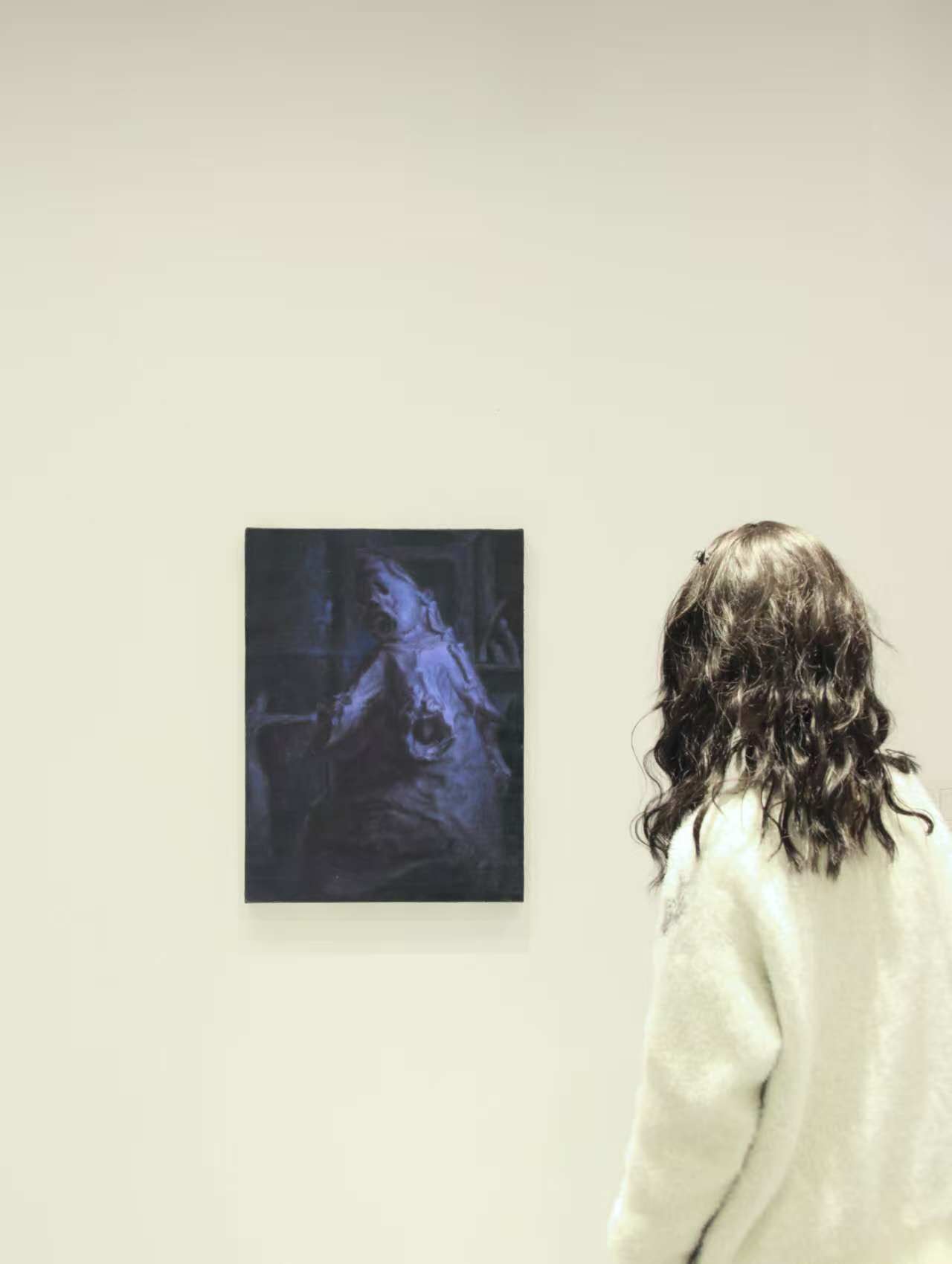
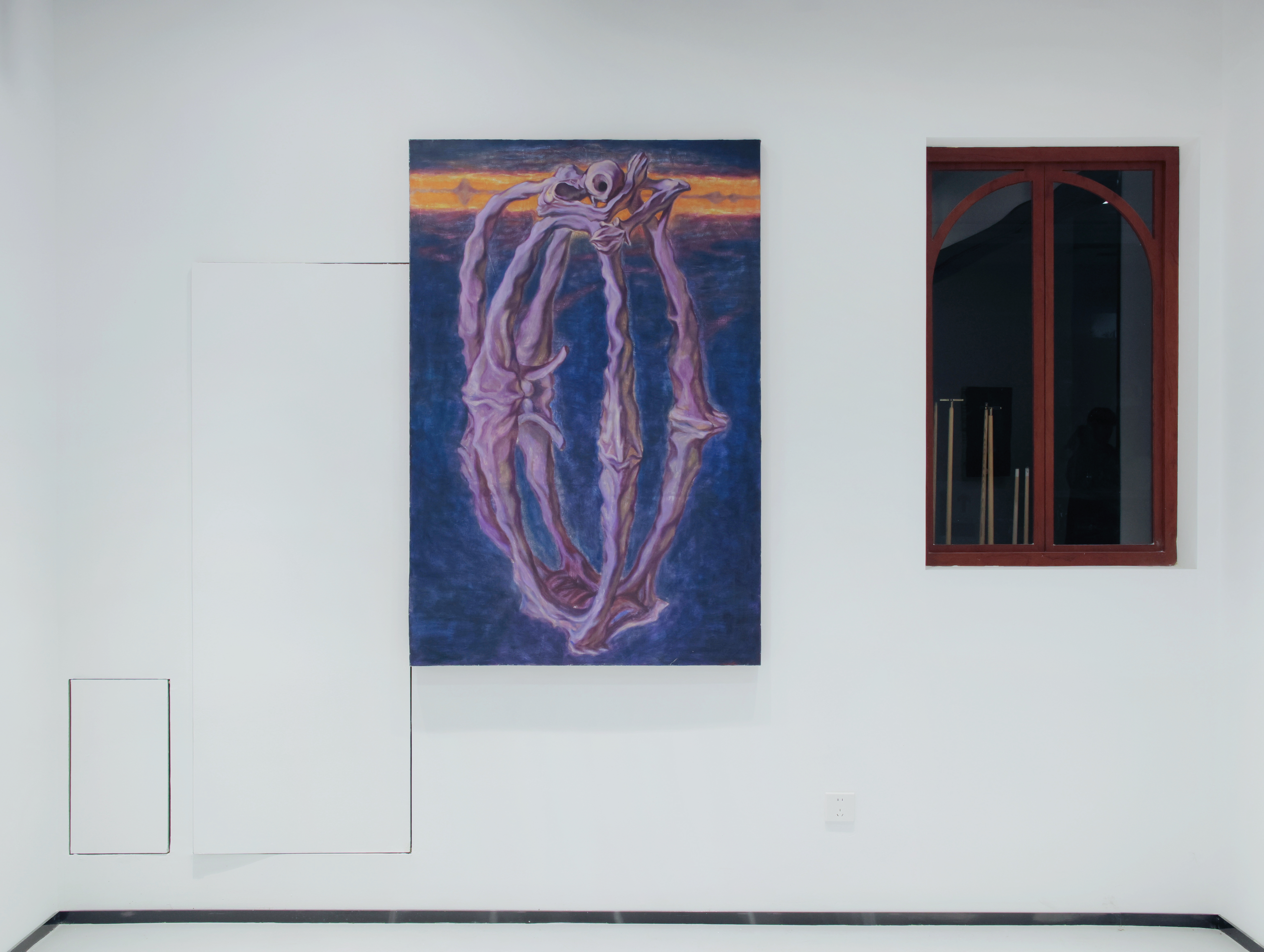
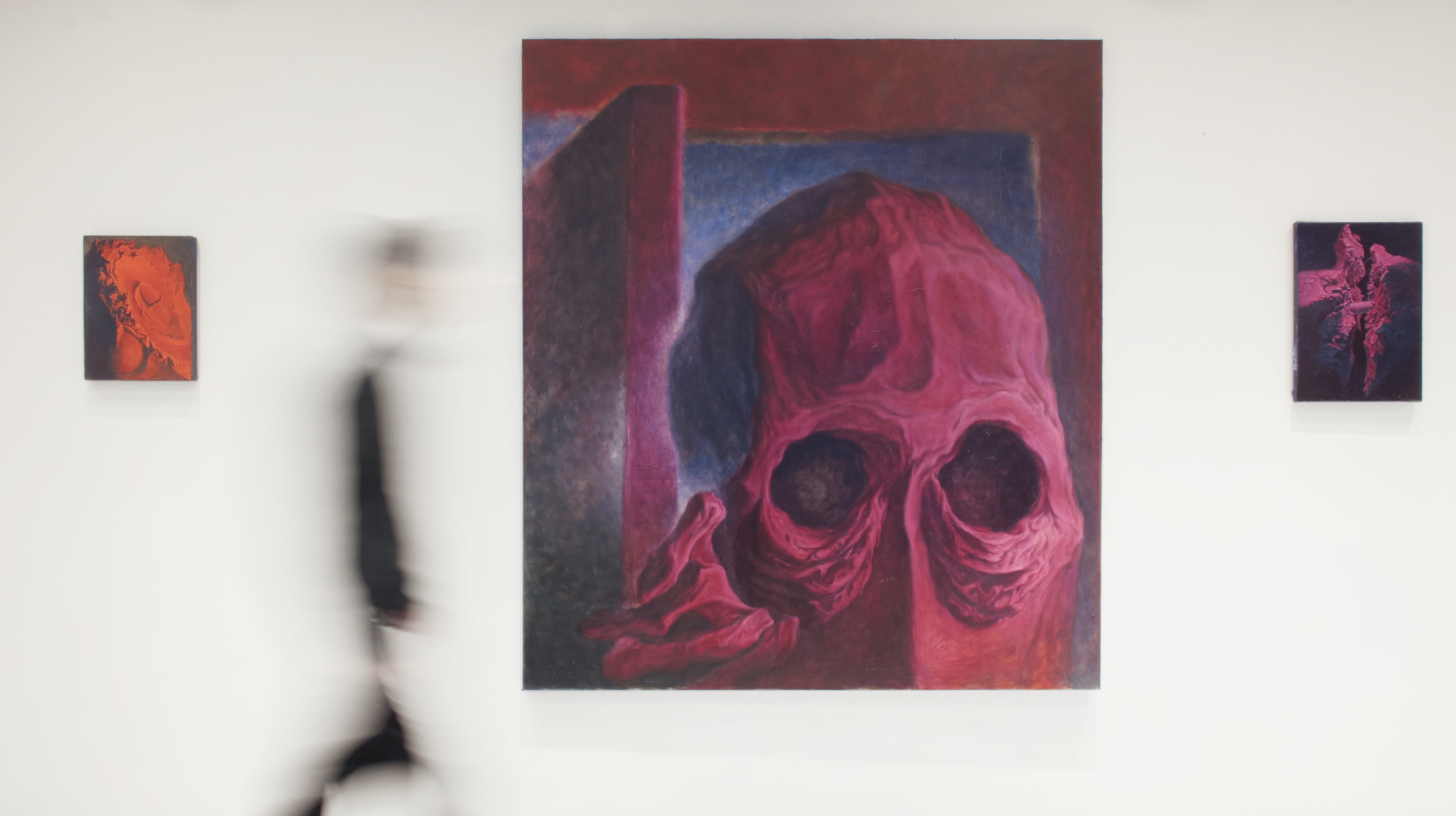
谷金在自述里,把当代绘画称作当代艺术体系中的“无机物”,生机稀薄,价值表面上不再显眼。但他也提醒我们,在化学分类中,“无机物”除了残渣、氧化物和酸碱盐之外,还包含“纯净物”,一种被抽离功用、只剩下自身存在的物质形态。对他而言,这些绘画正是这样的“纯净物”:也许不再肩负宏大叙事,也不保证创新,却仍然保留了一丝未经调和的“本我”。当他坦然承认这种“无意义”时,我反而想起尼采:旧价值体系崩塌之后,人只有在废墟中重新发明意义;向死而生,并不是夸张的姿态,而是一种在“无意义”之中仍然决定继续创作、继续凝视物质的固执。谷金的这些“无机物”,像是对这一价值态度的一次具象回应,如果意义不再被先验地赐予,那就从一团泥、一块颜料重新开始...... In his own writings, Gu Jin describes contemporary painting as an “inorganic substance” within the system of contemporary art—something seemingly depleted of vitality, whose value no longer appears immediately visible. Yet he also reminds us that, in chemical classification, “inorganic substances” are not limited to residues, oxides, acids, or salts; they also include pure substances—forms of matter stripped of utility and reduced to nothing but their own existence.
For Gu Jin, these paintings are precisely such “pure substances.” They may no longer bear the burden of grand narratives, nor do they promise innovation, yet they retain a trace of an unmediated self. When he openly acknowledges this condition of “meaninglessness,” I am reminded instead of Nietzsche: once old systems of value have collapsed, meaning must be reinvented amidst the ruins. To live toward death is not a dramatic gesture, but a stubborn decision to continue creating, to continue looking, even in the absence of predetermined meaning.
Gu Jin’s “inorganic substances” can be understood as a concrete response to such an attitude toward value. If meaning is no longer granted a priori, then perhaps it must begin again from a lump of clay, from a patch of pigment, from the material itself.